“But the Rent Is So Damn Profitable“
We all know it’s getting harder to find a place to live. Some people are struggling to make rent or scraping together money for a down payment. Others are profiting from their pain. Without a corporate paycheck or a trust fund, buying a home—once known as the American Dream—feels like a fantasy. Rent is sky-high. Wages aren’t keeping up. And now, powerful corporations are transforming homes into investment tools—into products, portfolios, and so-called “passive income machines.”
These aren’t mom-and-pop landlords or helpful startups. They’re billionaire-funded capital extraction machines, backed by tech moguls like Jeff Bezos. Their goal is not to help communities, but to turn our basic need for shelter into a steady stream of profits—for them, not for us.

The Commodification of Shelter
Housing has always walked a line between being a place to live and a way to build wealth. But today, the balance has tipped dangerously toward the latter. Instead of shelter, homes are treated like stocks—speculative assets bought, traded, and flipped on global markets.
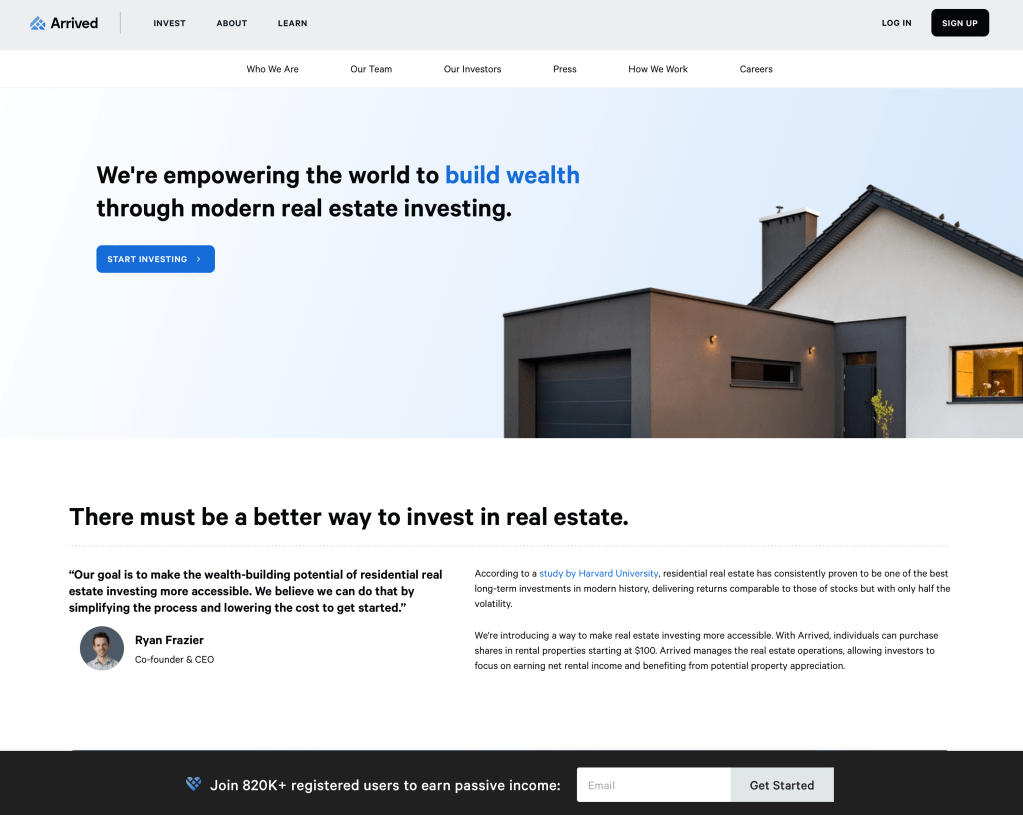
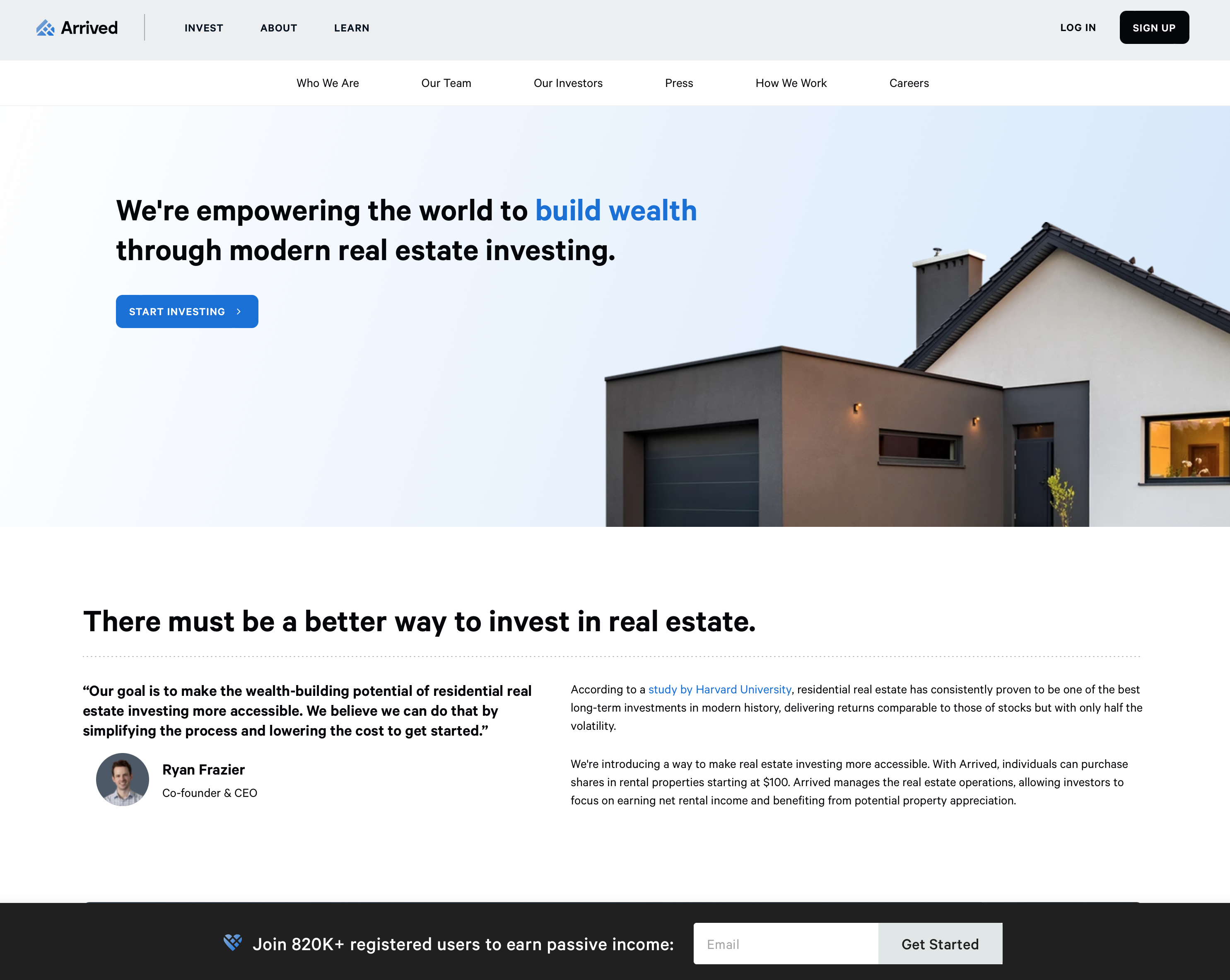
Companies like Arrived make it easy for investors to buy shares in single-family homes. The investors don’t live in them. They don’t care who does. The rent is collected, profits are distributed, and Arrived takes its cut—whether investors make money or not. Most of these shareholders have zero connection to the communities they’re profiting from.
This isn’t a glitch in the system—it is the system. It’s a business model built to extract as much wealth as possible from housing, while pretending to offer “access” and “inclusion” to ordinary investors.
Who Gets Hurt?
When housing decisions are driven by shareholder returns rather than community wellbeing, the damage is massive and predictable. We end up with a system that builds luxury towers and speculative mansions—while ignoring the homeless encampments in their shadows.
In cities like Honolulu, Los Angeles, and Austin, overbuilt luxury units sit vacant while teachers, nurses, and service workers live in cars or are pushed to the edges of the city. Families are routinely outbid by investors who never intend to live in the homes they buy. Neighborhoods become hollowed out, transformed into short-term rental zones or digital real estate portfolios.
This is not a market failure. It is the market working exactly as designed.
Companies like Arrived claim they’re opening the door to real estate investment for people who previously couldn’t afford it. But access to extractive wealth is not the same as access to housing. Owning a slice of someone else’s rent check doesn’t build homes—it exploits someone else’s vulnerability.
What communities actually need is not financial “opportunities,” but affordable, stable, and dignified housing.
Regulatory Capture and Policy Failure
This crisis isn’t happening in a vacuum. It is enabled—actively—by policy. Corporate landlords and investment platforms thrive because of permissive zoning laws, generous tax incentives, and weak regulations that treat land not as a shared resource but as a speculative commodity.
In many cities, it’s easier to build luxury condos than it is to build affordable apartments. Why? Because governments prioritize property tax revenue and real estate development deals over tenant protections and rent control.
Meanwhile, community advocates fighting to make housing a legal right are forced to battle a court system that overwhelmingly favors property rights over human needs. This isn’t just policy failure. It’s regulatory capture: a situation in which corporations influence, write, or override public policy to serve their private interests.
This is not democracy. It is legalized displacement.
A Call for Moral Limits
It’s time to draw the line. There must be limits to overbuilding ultra-luxury homes and speculative rental units, especially while so many people live without safe shelter. These mansions and empty towers consume enormous amounts of land, water, and energy, yet provide no meaningful benefit to communities. They fuel gentrification and ecological damage in the name of “growth.”
Housing is not a widget. It’s not a casino chip. It is the foundation of life—of identity, security, and family. When it is treated like a commodity, it becomes subject to the violent logic of modern capitalism: limit supply, raise prices, and extract every last dollar. We must stop pretending this is normal—or fair.
Toward Housing Justice
We don’t have to accept this dystopian future. A just housing system is possible :
- Recognize housing as a human right, not a financial product.
- Restrict corporate and foreign ownership of residential homes.
- Ban speculative overbuilding of luxury units in regions already struggling with homelessness.
- Expand public, cooperative, and community land trusts to keep housing in the hands of people—not portfolios.
Arrived, and companies like it, represent a future where neighborhoods are auctioned off to the highest bidder. Where community is replaced by capital. Where homes become just another row in an investor’s spreadsheet. We must reject that future.
What Can You Do?
Push for real change. That’s what government is for—not to serve billionaires, but to serve people.
We need:
- Laws that limit how many homes corporations can own
- Progressive taxes on corporate landlords and investment firms
- Mandates to build truly affordable housing—not just tiny luxury boxes
- Public support for land trusts, co-ops, and grassroots housing movements
Conclusion: Take Homes Back
When billionaires treat homes like ATM machines, regular people get locked out. Housing is not a hustle. It is a human right. This isn’t “innovation.” It’s a Silicon Valley scam and a Wall Street land grab, dressed up in tech jargon and sold as empowerment.
Stop letting corporations turn our neighborhoods into investment portfolios.
Build communities, not commodities.
Reclaim housing as sanctuary, not speculation.
Its time to stop this madness and take our homes back.


Leave a comment