
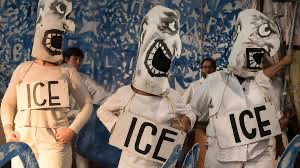
Guerrilla theater is a type of performance that happens in public places—like streets, malls, parks, or schools—to wake people up and make them think about political issues. It’s not about acting for applause. It’s about using creativity, costumes, and surprise to make injustice visible and demand change.
You don’t need a stage, a script, or permission. All you need is a message, some imagination, and the courage to speak up in a bold and unexpected way.
What’s the Point?
Guerrilla theater isn’t just for fun—it’s a way to get people to notice something wrong and feel something about it. It can make people laugh, cry, get mad, or want to take action.
In a world full of boring news and fake ads, a sudden piece of street theater grabs attention–and hopefully media coverage–like nothing else.
How It Works
You show up somewhere unexpected and put on a short performance. It might only last a few minutes. But if it’s powerful, people will stop, watch, take videos, and talk about it.
You can use:
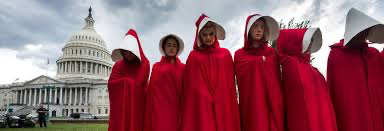
- Costumes and props
- Signs or symbols
- Songs, chants, or silence
- Acting out a scene (funny, sad, angry, absurd)
- Speaking directly to people watching
Sometimes it’s loud and wild. Sometimes it’s quiet and haunting. Either way, the goal is to interrupt normal life and make people see the world differently—even if itʻs only for a moment.
Examples You Can Learn From
In the past, guerrilla theater has been used to:
- Protest war by acting out scenes of death in front of army buildings.
- Mock politicians by dressing up like them and pretending to hand out fake awards.
- Act like rich CEOs to show how greedy companies are.
- Create funeral marches for victims of police violence or climate change.
- Pretend to be police evicting rich colonizers at a July 4th parade (role reversal!).
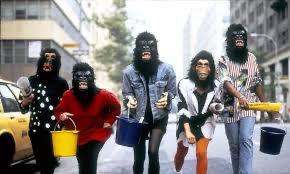
Groups like the Guerrilla Girls, ACT UP, and the Yes Men used street theater to fight sexism, racism, AIDS denial, and climate destruction.
Today, movements like Black Lives Matter, Fridays for Future, and Palestinian solidarity groups use creative protests with theater, dance, props, and performance to make their message impossible to ignore.
Things to Keep in Mind
You don’t need to be a great actor. You just need to care and be ready to act.
Here’s what helps:
- Have a clear message. What’s the point of your performance? What do you want people to feel, remember, or do?
- Keep it short. People have short attention spans—especially in public. One strong moment is better than a long speech.
- Make it visual. Use costumes, signs, or striking poses. The more visual it is, the easier it is to record, share, and remember.
- Choose the right place. Go where your message matters. If you’re protesting school rules, do it in front of the school. If it’s about climate change, go to a gas station or city hall.
- Be safe and respectful. Don’t hurt anyone or yourself. Know your rights. And don’t mess with people who aren’t part of your issue.
After the Show
The performance is just the beginning. Afterward:
- Share photos and videos online.
- Talk to people who watched—ask them what they thought.
- Give them something to do: sign a petition, come to a meeting, join your group.
- Reflect on what worked and what didn’t—and then plan the next one.
Final Thoughts
Guerrilla theater is one of the coolest ways to fight back against injustice. You don’t need a lot of money or power—just a few people, a big idea, and the guts to show up and speak out.
It’s creative. It’s rebellious. And it can change the world, one street corner at a time.
So grab a mask, write your message, and go make some noise.
Turn your anger into art—and your art into action.

Leave a comment