for David G.

Throughout human history, political actors have faced the enduring tension between the pragmatic necessities of realpolitik and the aspirational compass of idealism. Realpolitik – literally “realistic politics” – refers to a strategy grounded in power, material interests, and practical considerations rather than moral or ideological commitments. In contrast, idealism prioritizes ethical principles, justice, and visions of how the world ought to be, often dismissing the harsh limits of what is.
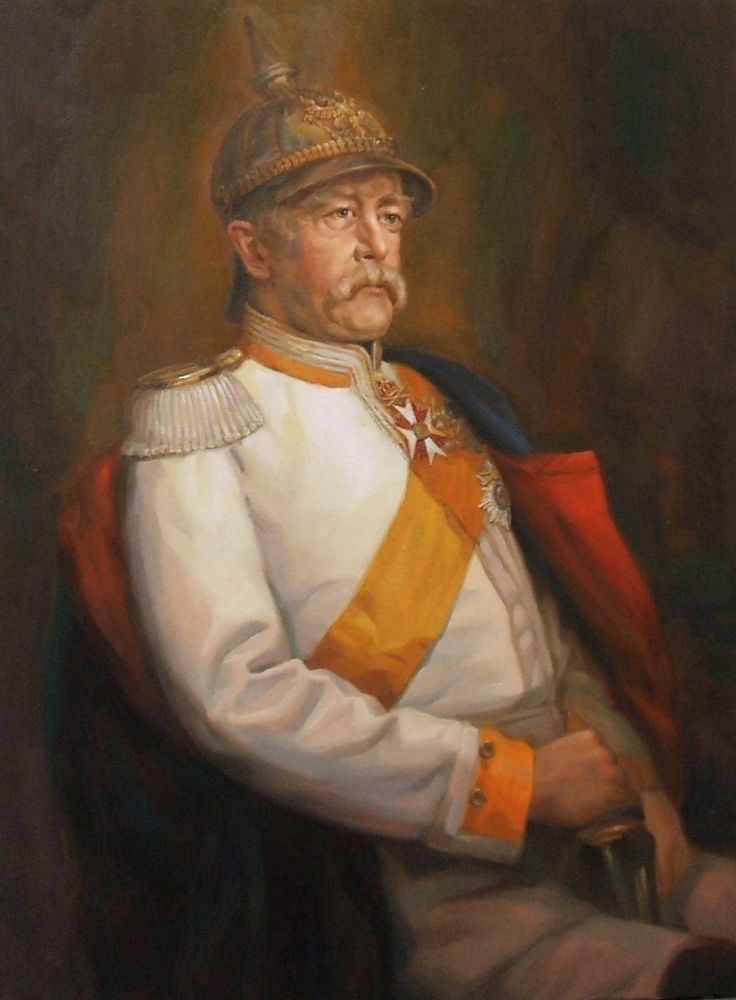
The 19th-century statesman Otto von Bismarck exemplified realpolitik. He unified Germany not through appeals to shared democratic values or liberal freedoms but via shrewd alliances, manipulation of rivalries, and orchestrated wars. His actions created a powerful nation-state, but also laid groundwork for later European instability. By contrast, the early 20th-century presidency of Woodrow Wilson embodied idealism in international relations. Wilson’s Fourteen Points and advocacy for the League of Nations envisioned a world order based on collective security and self-determination – ideals that faltered against the cynical national interests of France, Britain, and emerging fascist powers.
This tension continues in modern geopolitics. For instance, climate change negotiations often illustrate realpolitik dominating idealism. Nations prioritize national economic interests, fossil fuel profits, and energy security over the shared moral imperative of preventing planetary catastrophe. Likewise, US foreign policy in the Middle East has frequently favored stability, arms deals, and oil flows – even supporting autocrats – rather than championing democracy and human rights.
Critics of idealism argue that it is naïve: the world is structured by entrenched power relations, scarcity, and competition. Without hard-nosed realism, a state risks its security, prosperity, and global standing. Idealism can be co-opted as rhetoric while the machinery of realpolitik operates underneath. Yet, pragmatism without moral compass creates a world governed by raw force and short-term interest, legitimizing oppression, exploitation, and ecological destruction in the name of survival or profit.
Idealism remains necessary because it keeps alive the possibility of transformation. The abolition of slavery, the expansion of civil rights, and the decolonization movements were never “pragmatic” in their inception. They were driven by moral idealism that refused to accept prevailing “realities.” Over time, these ideals reshaped what realism itself encompassed, redefining the limits of the possible.
The challenge is not choosing one over the other, but integrating both. A purely idealistic foreign policy is easily crushed by reality; a purely realpolitik approach guarantees endless cycles of conflict, repression, and ecological ruin. Effective leadership demands a realism informed by ideals: practical strategies grounded in ethical commitments and a vision of shared human dignity. Likewise, idealism must strategize realistically to avoid becoming impotent hope.
As humanity faces existential challenges – nuclear proliferation, pandemics, AI risks, and climate collapse – we are confronted with the limits of realpolitik. A species governed solely by narrow self-interest and the Machiavellian logic of power will engineer its own extinction. Idealism is not simply moral fluff; it is a survival imperative. Without shared ideals of cooperation, justice, and stewardship, pragmatic realism turns into collective suicide.
In the end, politics demands a dance between realism and idealism. To walk only with realpolitik is to stride confidently off a moral cliff. To walk only with idealism is to drift unmoored into irrelevance. The path forward requires both feet.

Leave a comment