
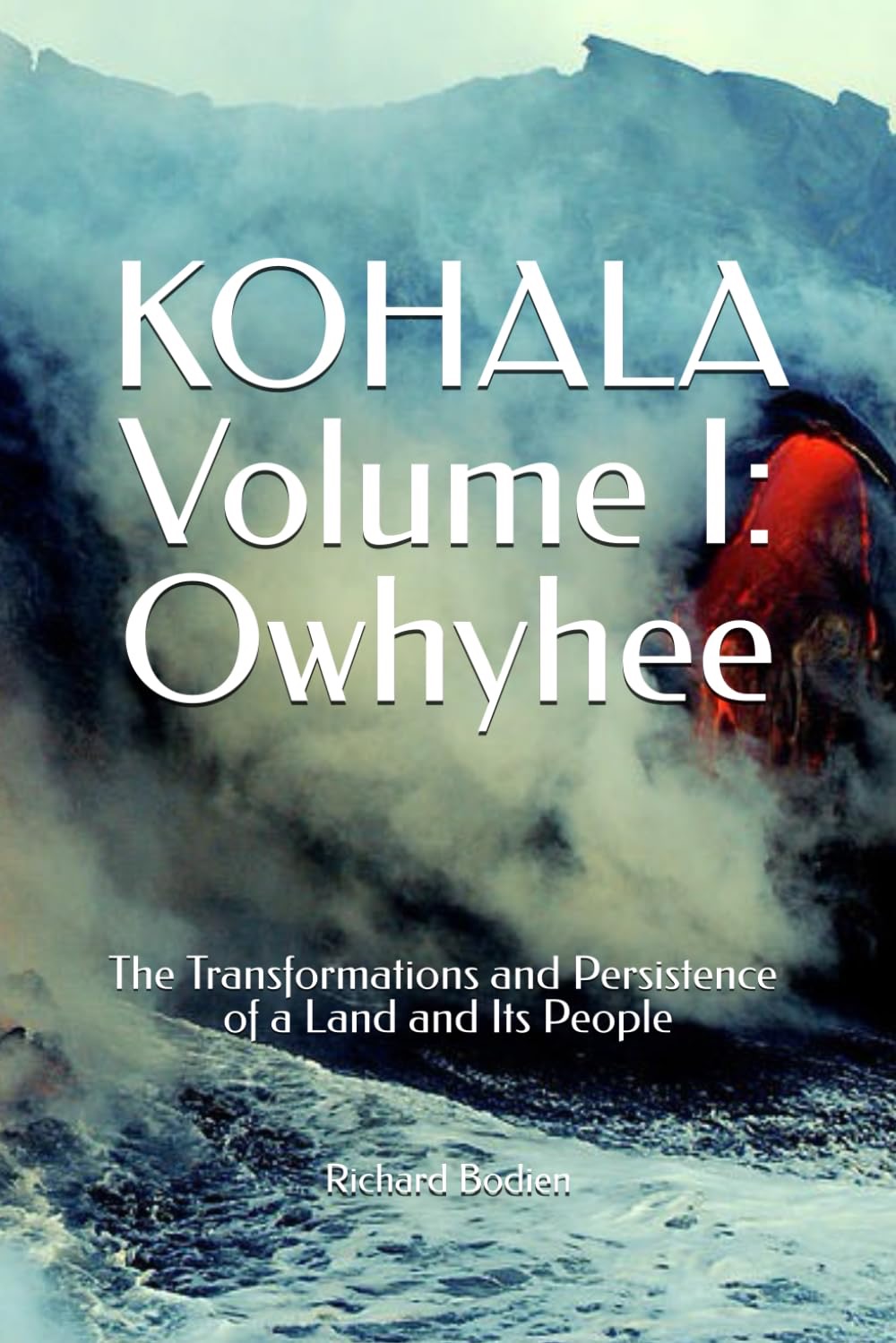
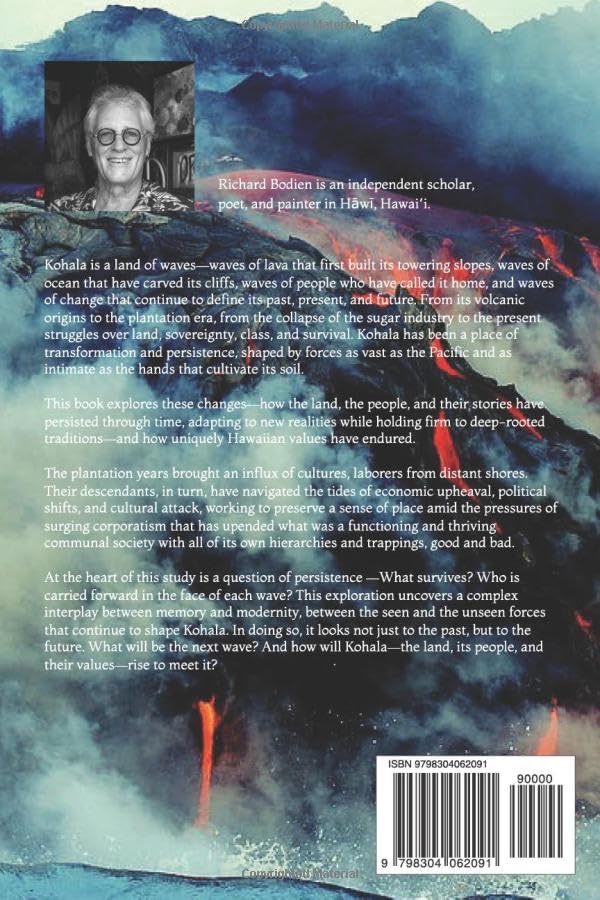
The Transformations and Persistence of a Land and Its People
The story of Kohala is more than a simple local history: it is a window into the greatest migration in human history, the development of one of the most unique cultures in the world, and a testing ground for imperial adventures.
Like waves reshaping its ancient cliffs, successive tides of change have transformed Kohala, the northernmost district of Hawaiʻi Island. Here, where the earliest Polynesian voyagers established their altars, a story unfolds that challenges the sanitized narratives of tourism brochures and American histories. It is a story of profound spiritual connection, devastating loss, and relentless resilience—one that mirrors the broader history of the Hawaiian archipelago itself.
When they discovered Kohala, the first Polynesian settlers found a land of volcanic slopes, rich forests, and abundant marine life. Through centuries of careful stewardship, they evolved sea agricultural and aqua-cultural systems that sustained thriving communities. Their leaders governed with the island-centric understanding that ʻāina (the land, fresh water, trees, wind, and creatures) itself was the true sovereign, and people were its custodians.
From ʻUmiwai Bay to Awini Valley, every ridge and valley holds sacred history. It was here that Paiʻea—who would become Kamehameha the Great—was born at Kokoiki near the ancient Moʻokini heiau (temple). He would grow up to unify the Hawaiian Kingdom, drawing on the mana (spiritual energy) and resources of his homeland, but his achievement would soon face the rising tide of merchants and imperial adventurers.
The arrival of European explorers and American missionaries in the late 18th and early 19th centuries initiated a cascade of devastating changes. New diseases decimated the Native Hawaiian population, while Christianity and capitalism systematically undermined traditional spiritual practices and social structures. The resulting trauma—from death, displacement, and cultural suppression—still reverberates through generations.
By the mid-19th century, sugar plantations dominated Kohala’s landscape, and new immigrant laborers were recruited from Asia and Europe to work the fields. The massive Kohala Ditch—an engineering marvel that diverted fresh water to feed the plantations—became a symbol of both industrial progress and environmental exploitation. These dramatic transformation reached a tragic climax with the 1893 overthrow of Queen Liliʻuokalani, orchestrated by American business interests and their local allies.
The 20th century brought further upheaval as sugar declined and tourism ascended. Yet, amid these convulsions, the Second Hawaiian Renaissance ignited a cultural reawakening. Kohala became a flashpoint as activists fought to protect sacred sites from luxury development and restore traditional agricultural practices.
Today, Kohala stands at a crossroads. Efforts to revive traditional agriculture have gained momentum just as powerful forces of real estate speculation and development threaten to displace both agriculture and residents. New luxury housing provides temporary construction jobs, but workers canʻt afford housing. Renewable energy projects present both opportunities and risks, depending on who controls them and how they’re implemented.
Attempting to understand Kohala through Western historical frameworks misses its deeper truths. Here, history and mythology are inseparable—every feature of the landscape tells a story. The mists rolling through Pololū Valley carry the breath of Lilinoe; the winds sweeping across the district echo the spirit of Kamapuaʻa. These are not mere legends but living narratives of people and place. In Kohala, the physical and spiritual realms remain intertwined. The great chiefs traced their lineage to the gods themselves, their authority legitimized through divine connection. Even today, the rains of Kāne, the ocean of Kanaloa, and the volcanic forces of Pele actively shape both the physical landscape and human experience. Their moʻolelo (stories) provide an autochthonous framework for understanding the mythology, geography, ecology, and the fundamental relationship between people and ʻāina.
This story of Kohala is therefore not just a chronicle of events. It offers crucial lessons for navigating contemporary challenges, from climate change to cultural preservation. And as Hawaiʻi faces unprecedented pressures from global capital and environmental stress, Kohala’s story reminds us that the past is not something left behind—it is a guide for the future, carried forward in the land, the winds, and the voices of those who maintain these traditions.
This book is available on Amazon: https://a.co/d/5tgseSz

Leave a comment