June 20, 2025
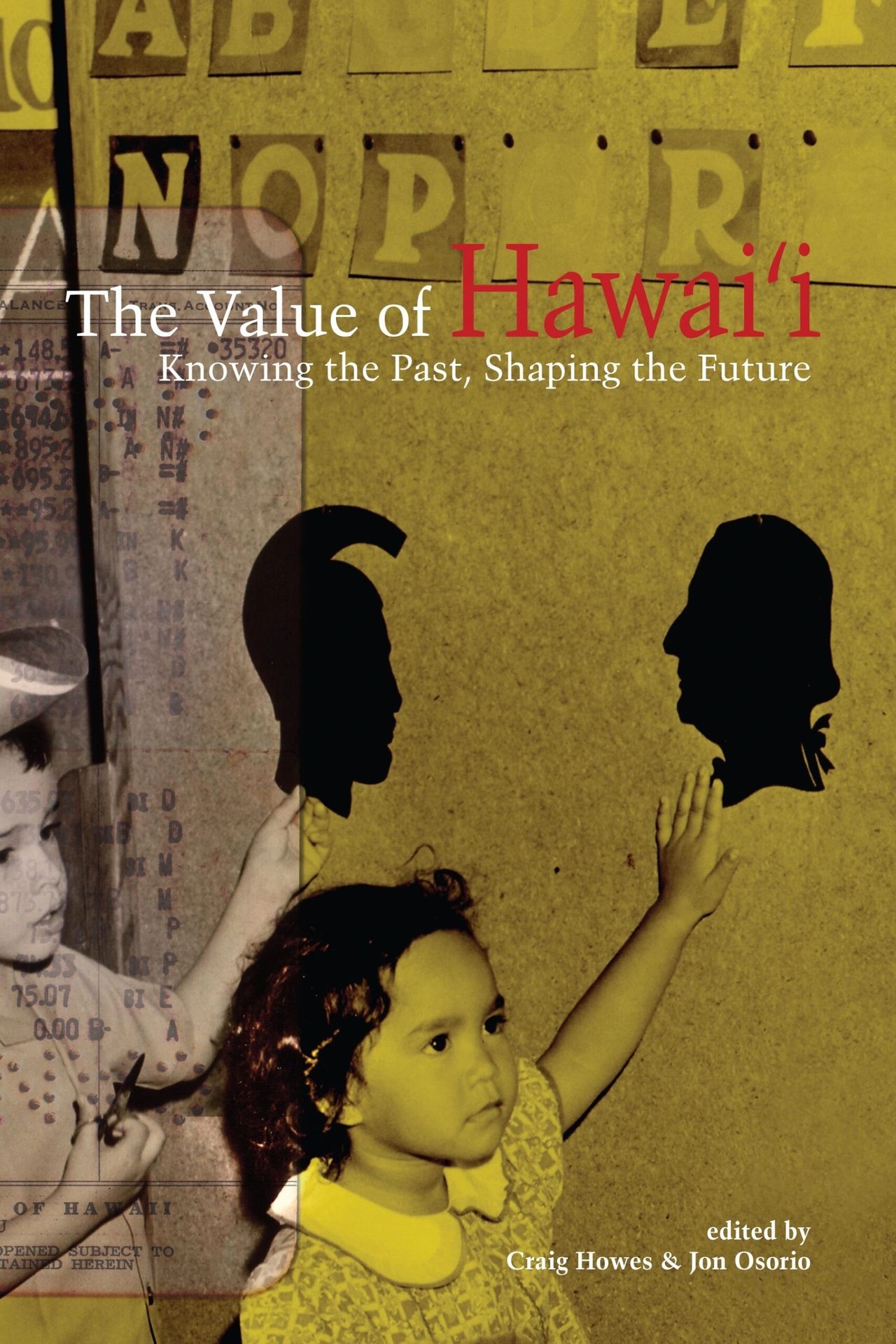
In Hawaiʻi today, we stand at a crossroads. Developers, politicians, and outside interests continue to impose decisions shaped by a set of values that do not come from this land. These are not our values. They are American values—rooted in extraction, expansion, and individualism. They promise freedom but deliver dispossession. They promise prosperity but concentrate wealth. They measure success by profit, not by mālama. And that is why they will never be the best solution for Hawaiʻi.
Our values are different. Hawaiian values are rooted in relationship: to land (ʻāina), to each other (ʻohana), and to spirit (mana). They do not see land as a commodity. Land is ancestor. Land is teacher. Land is life. When we say aloha ʻāina, we are not offering a poetic slogan—we are making a political declaration of loyalty to a way of being that refuses to turn sacred places into luxury assets.
The value of values is this: they guide us when the path is unclear. They keep us rooted when the storms of capitalism, colonization, and climate crisis try to uproot us. And they remind us that our worth as a people is not measured by GDP, tourist arrivals, or housing starts—but by how we care for the most vulnerable, how we feed and educate our keiki, how we tend the land, how we protect each other.
This is not abstract. These values—kuleana, pono, lokahi, malama—must shape policy and power. They must determine how we build, what we protect, who we listen to, and who we uplift. If we do not make decisions based on our values, we will continue living in a system that devalues us.
American values are good for empires. They are good for war machines, banks, and corporations. They are not good for island nations, for cultures that believe time is circular, not linear; that the land is our elder, not our asset; that water is life, not a utility.
And if you feel anger rising, good. That is righteous. Let that anger join your love for this place, and let it become your fuel. Because while the other side uses fear, resentment, and greed to mobilize their base, we must use love, outrage, memory, and joy. That is how movements grow. That is how people change.
Tell the story of the kupuna who fought to protect Mauna Kea. Sing the chant of the forest. Show the child learning the names of the winds. These are not soft symbols. They are revolutionary acts. They remind us that policy means nothing without people, and people are moved not by charts—but by chant, by story, by emotion.
So let us be clear: the future of Hawaiʻi cannot be decided by values that were never meant for us. The time has come to lead with Hawaiian values—not as heritage, but as blueprint. Not as museum pieces, but as instruments of liberation.
We don’t need to become more American. We need to become more Hawaiian.

Leave a comment