
Donald J. Trump did not stumble into power by accident. He engineered his rise through a set of strategies that blended branding, spectacle, emotion, and ruthless efficiency. To confront and ultimately defeat the excesses of Trumpism, we must first understand the tools that built it. This is not a call to emulate his values, but to study the architecture of his success—and repurpose its methods for democratic, ethical, and inclusive goals.
1. Think Big or Be Forgotten “If you’re going to think… think big.” Trump understands that people don’t rally around modest reforms—they flock to grand visions. He projects scale, ambition, and inevitability. Those who seek to build a better society must learn to speak in equally ambitious terms. Incrementalism rarely inspires. Big ideas—like universal healthcare, climate action, or racial justice—must be articulated boldly and unapologetically. [Go for the highest prizes.]
2. Master the Media — Repeat the Message Trump repeats his name, his slogans, his enemies. Repetition breeds familiarity, and familiarity breeds power. He turned “fake news,” “witch hunt,” and “Sleepy Joe” into cultural markers. Movements must adopt similar discipline: own your language, repeat your principles,. [Teach the public how to speak your truth—communication and education are vital.]
3. All Media is Good Media—If You Control the Frame Scandal, mockery, outrage—it all becomes fuel if the spotlight stays fixed on you. Trump’s genius was not in avoiding controversy, but absorbing it and turning it into dominance. Those resisting him must stop being reactive. [Control the narrative, use the attention strategically, and elevate your own agenda.]
4. Speak to Emotion, Not Just Reason Facts do not move masses. Feelings do. Trump channels resentment, fear, pride, and grievance. To compete, movements must ignite love, outrage, joy, and solidarity. Tell stories that touch hearts. Use rituals, symbols, music, and visuals that resonate beyond policy sheets. [Turn policy solutions into compelling stories people can relate to.]
5. Tell a Better Story Than the Conman Trump’s worldview is simple: he alone can fix it. Everyone else is corrupt or weak. This villain/hero story is compelling—even when false. The only antidote is a stronger narrative: of community, resilience, and collective power. [Don’t just point out his lies—tell the truth better.]
6. Loyalty is Power—But Beware the Cult Trump demands personal loyalty, not ideological alignment. He builds power through fear and devotion. But real change is built on principled alliances and democratic trust. Forge loyalty to shared values, not personalities. [Organize for mission, not ego.]
7. Fight. Fight. Fight. (Never Give Up) Trump never retreats. Every attack is met with a counterattack. This creates an illusion of strength. The lesson? Tenacity matters. Justice movements must show the same persistence—through wins, setbacks, and storms. [Endurance outlasts spectacle.]
8. Win the Battle of Screens “Battles are won on television.” Trump turned politics into reality TV. The screen is the arena. If your movement isn’t visible, it might as well not exist. Be camera-ready. Use visuals. Create moments that resonate. [The revolution must be televised.]
9. Create a Brand, Not Just a Platform Trump is a brand—gold letters, red hats, soundbites. People follow brands that make them feel something. Movements need a cohesive look, voice, and feel. Branding isn’t manipulation; it’s memory. [If they don’t remember you, they won’t fight with you.]
10. Never Apologize—Unless It Builds Strength Trump sees apology as weakness. He never backs down. That brazenness often works. Movements should reject false humility—but embrace honest accountability. [Own your missteps, but always pivot back to power and purpose.]
11. Divide to Conquer—Or Unite to Win Trump weaponizes division—by class, race, geography. He unites his base by creating enemies. The counterstrategy is radical coalition. Bring together labor, climate, civil rights, and faith communities. Find common cause and build broad, unbreakable alliances. [Unity. Unity. Unity.]
12. Attack Institutions to Replace Them Trump undermines courts, media, science, and democracy itself—so that he becomes the only voice of truth. To counter this, institutions must be reformed, made transparent, and reconnected to the people. Defend what serves justice. Dismantle what protects only power. [Attack the political parties—they are the problem.]
13. Manufacture Crisis—Then Sell Yourself as Savior Trump thrives on chaos. He breaks systems, then promises to fix them. When people are afraid, they follow the loudest voice. The solution? Prepare communities before the crisis hits. Practice mutual aid. Build trust. Become the first to respond when the system fails. [We donʻt have to create a crisis—we live in one now. Our solutions are vital to survival.]
14. Entertain, Always Politics is theater. Trump’s rallies are concerts, comedy, sermons. He entertains, and therefore, he holds attention. Movements must also move culture. Use humor. Use art. Use joy. A good protest is part spectacle, part sermon, part song. [If what you are doing is not getting media attention, it is not enough of a spectacle to deserve attention.]
15. Speak in Slogans, Not Paragraphs “Make America Great Again” said everything his followers needed to hear. Where is the left’s equivalent? Say less, but say it better. Memorable slogans, chants, and hashtags stick. Language is a weapon. Sharpen it. [“HAWAIʻI FIRST”]
16. Everyone and Everything is for Sale—Unless You’re Not Trump’s world is transactional. He buys loyalty, sells influence, monetizes power. To beat this, some things must remain unsellable. Defend public goods. Protect democracy, land, water, and dignity from commodification. In a world for sale, be the ones who are not. [Hawaiian values are not transactional.]
Moving Forward–Use the Tools to Reject the Tyrant The power of Trumpism lies not just in its content, but in its methods. To fight authoritarianism, propaganda, and greed, we must be equally skilled in persuasion, performance, and persistence—without becoming the thing we oppose. The tools exist. The enemy has revealed the blueprint. Now it’s time to build something stronger, wiser, and better.
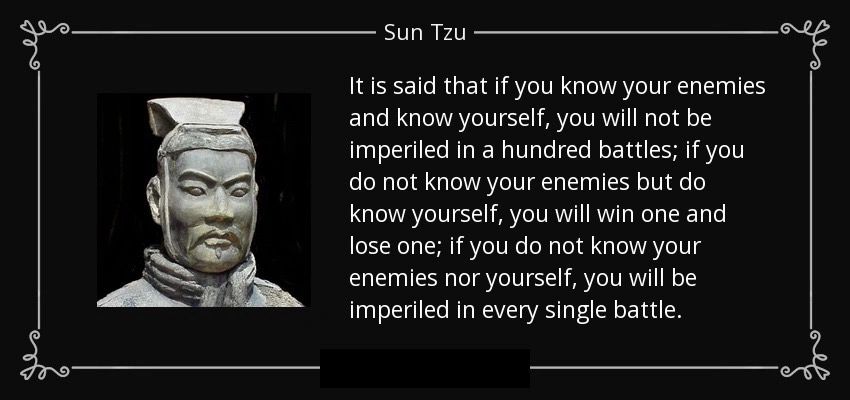
Know thine enemy. Learn from them. Then leave them in history’s dust.

Leave a comment